Empowering Caregivers: A Compassionate Approach to Oncology and Patient Education
Navigating the oncology journey can be a daunting experience, not just for patients, but also for their caregivers. When a loved one is diagnosed with a tumor, the initial shock often leads to a whirlwind of emotions. Caregivers find themselves thrust into a role that demands immense compassion, strength, and an understanding of complex medical information. They become the frontline allies in a patient’s fight against cancer, often sacrificing their own well-being for the sake of another. So, how can caregivers find the support they need to help their loved ones navigate this challenging terrain?
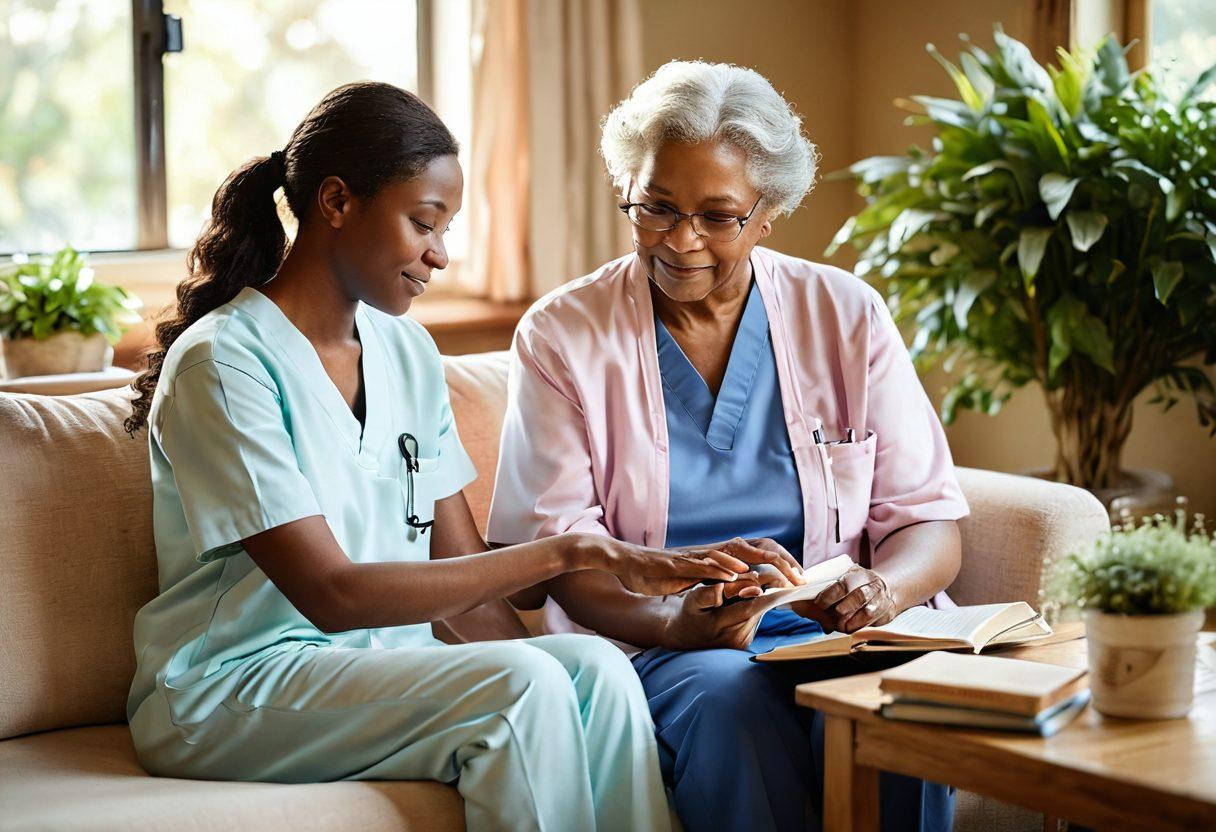
Education is key in this journey. Understanding treatment options such as chemotherapy, radiation, and emerging therapies like immunotherapy can help caregivers feel empowered rather than overwhelmed. By educating themselves about symptoms, risk factors, and the latest clinical trials, caregivers can advocate more effectively for their loved ones. Consider this: would you rather be a passive observer in this journey or a knowledgeable advocate for your loved one? The choice is clear. Armed with information from reputable organizations and resources, caregivers can provide the psychosocial support that is crucial during treatment.
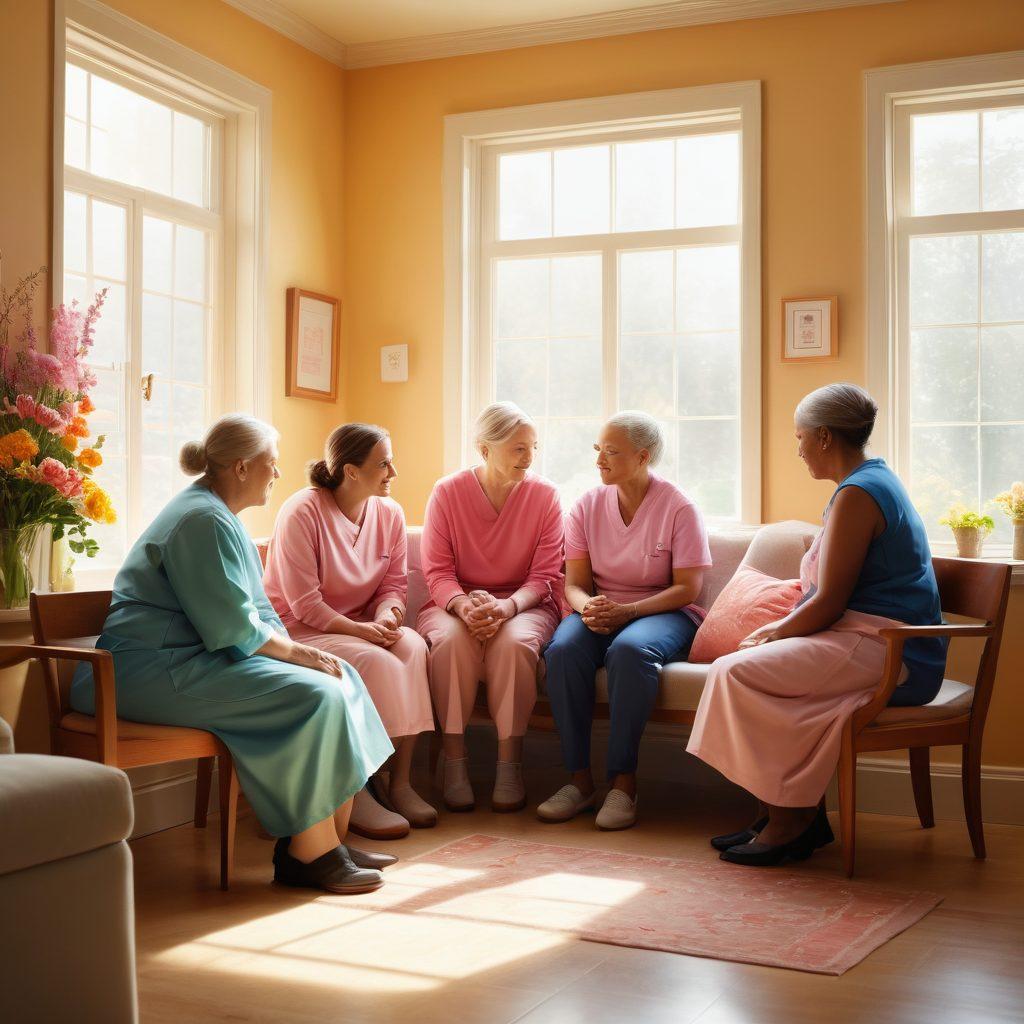
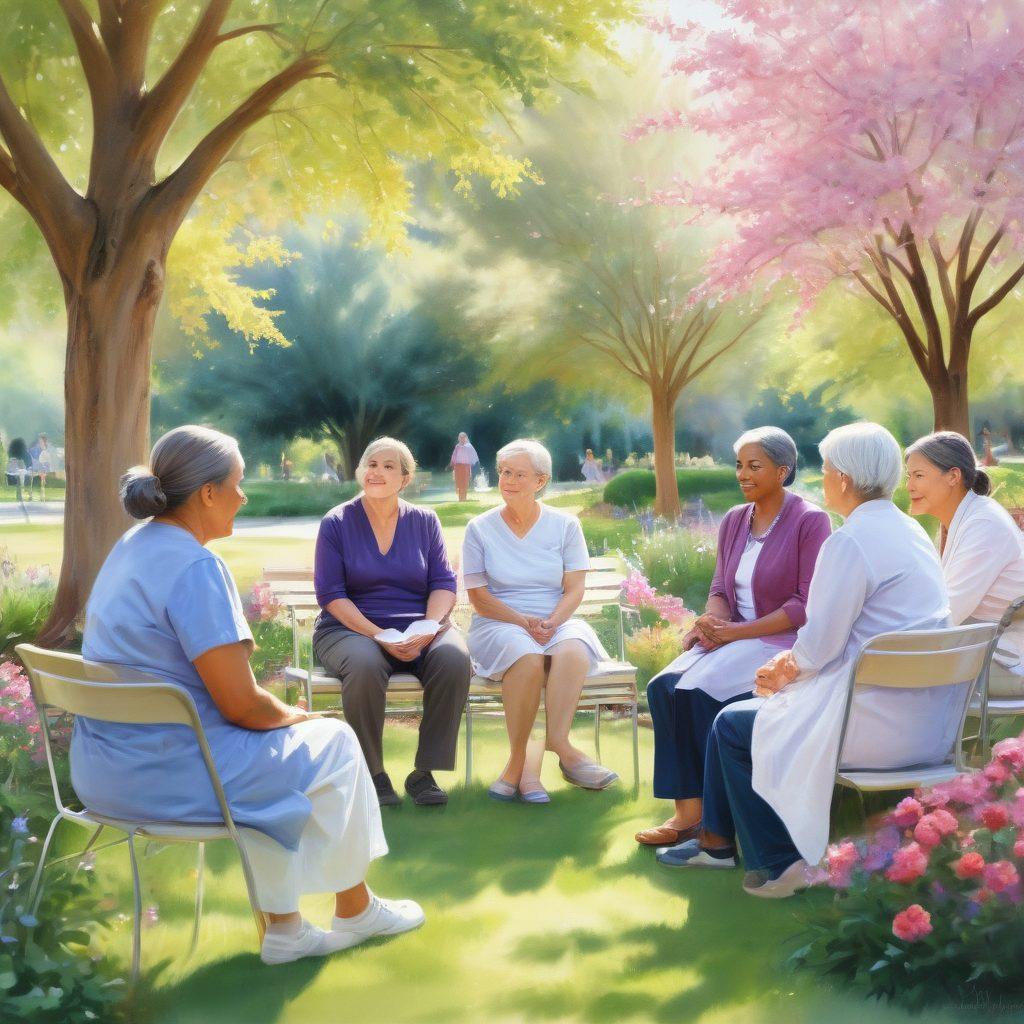
Compassion is the heart of caregiving. When someone is grappling with a cancer diagnosis, the importance of emotional and mental health cannot be overstated. This is where community support shines. Are you part of a support group? Have you found solace in sharing your experiences with others who understand the intricate dance of caregiving? Exploring local and online caregiver networks can provide not just a wealth of information but also a shared sense of hope and determination. After all, the journey is not one to walk alone, and together, caregivers can lift each other up during the toughest times.
Nutrition and lifestyle changes also play an essential role in the oncology journey. After treatment, the focus often shifts to recovery and integrating holistic health practices into daily life. Caregivers can encourage their loved ones to adopt better nutritional habits that support their overall well-being, ultimately fostering a healthier environment that promotes healing. How about forming a meal prep routine together or exploring new, healthy recipes? Small changes can lead to significant impacts, and these lifestyle adjustments can become a shared journey toward better health and recovery.
As the patient journey unfolds, it’s easy to lose sight of the caregiver's needs amidst the challenges. Yet, staying informed about available resources and funding for caregiving can alleviate some stress. Support organizations often provide training, financial advice, and even respite care to help caregivers recharge. Remember, advocating for your health and mental well-being is not selfish; it is essential. After all, only through nurturing yourself can you remain a beacon of support and compassion for those you love. With determination, the right tools, and a network of support, caregivers can transform their challenges into a shared journey filled with courage and hope.
From Diagnosis to Recovery: Empowering Caregivers with Information and Resources
Receiving a diagnosis of cancer is a life-altering event, not just for the patient but for their caregivers as well. It can feel like standing at the edge of a vast and unpredictable ocean, each wave representing a new challenge, a new decision, a new source of information. In such turbulent times, knowledge becomes a beacon of hope, illuminating the path from diagnosis to recovery. This is where empowering caregivers with information and resources plays a crucial role. Caregivers, often the unsung heroes, need a compassionate approach to oncology that includes patient education, understanding treatment options, and crucial support systems to navigate these tumultuous waters. How can we harness the power of information to transform fear into empowerment?
One of the first steps in this journey is the conversation about treatment options. Cancer is no longer a one-size-fits-all diagnosis; it’s a complex journey that can include chemotherapy, radiation, immunotherapy, and clinical trials. These terms can be daunting, but it is vital for caregivers to delve into the specifics and understand what each treatment means for their loved one. The tales of survival often begin with one crucial decision: understanding the risks and benefits of each approach. As an advocate for patients, caregivers can help decode the medical jargon into relatable experiences that inspire hope and determination. How can we turn clinical guidelines into stories of recovery?
Early detection can be a game changer in the oncology world, significantly impacting the patient journey and survival statistics. Caregivers should educate themselves on the symptoms and risk factors associated with various types of tumors, not only to support their loved ones but also to advocate for timely screenings. For example, do you know about the landslide victories in survival rates when breast cancer is detected early? Such information can spark incredible motivation for both caregiver and patient. Empowering caregivers with resources about early detection can create a proactive approach to health and well-being, ensuring that they stand as vigilant allies in this journey.
However, the journey doesn’t solely involve medical expertise; psychosocial support is equally pivotal. A cancer diagnosis can take a toll on mental health, not just for patients but for caregivers. Engaging with community support networks or organizations dedicated to mental health can provide not only solace but also a wealth of shared experiences that can be enriching. Through storytelling, caregivers can hear firsthand accounts of resilience, fostering an environment where hope thrives and wellness is prioritized. How can we create a space that nurtures the mental and emotional well-being of both patients and caregivers?
Lastly, caregivers should prioritize holistic health and lifestyle changes. Nutrition, exercise, and a positive outlook can profoundly affect recovery. Sharing successful strategies for integrating healthy routines into daily life can be both actionable and empowering. Caregivers can work alongside patients to craft nutrition plans that strengthen the body and mind, channeling the energy towards recovery while also carving out precious moments of joy in their lives. As we explore this journey of advocacy and empowerment, how do we ensure that every caregiver feels equipped and hopeful for their loved one’s recovery? This journey is not just about fighting cancer; it’s about cultivating a compassionate community that believes in the possibility of a cure.
Building a Caring Community: Advocacy and Support for Caregivers in Oncology
In the journey through oncology, caregivers often emerge as the unsung heroes, navigating the tumultuous waters of illness alongside their loved ones. Their role is crucial not just for providing physical care, but for offering compassion and emotional support, creating a safe harbor in the storm. But how can we build a caring community that empowers these caregivers? Advocacy and support for caregivers in oncology is vital, ultimately promoting well-being while shining light on the nuanced patient journey. Let’s dive deeper into this important topic, exploring how we can come together to uplift those who give so much of themselves.
Imagine you're a caregiver, facing the overwhelming burden of coordinating treatments for a family member battling cancer. With chemotherapy sessions, radiation appointments, and the emotional whirlpool of fear and hope, you might wonder, 'Who is supporting me?' This line of questioning reveals a critical aspect of caregiving that is often overlooked: the need for psychosocial support. Whether through local organizations or online communities, caregivers require a network that offers them resources and respite. Creating a space for open dialogue about the challenges faced, including the common symptoms of fatigue and stress, can lead to lifestyle changes that bolster both caregiver and patient.
The heart of community support lies in advocacy. Engaging with local and national organizations can provide caregivers with information on clinical trials, immunotherapy options, and funding avenues for treatment that can lead to crucial recovery milestones. As we seek to inform caregivers about the latest statistics and research, we weave hope and determination into their lives. Sharing personal stories and triumphs can lighten the burden, reminding caregivers that they are not alone on this difficult path. Organizations dedicated to caregiver support can not only equip them with knowledge but also foster connections that uplift, validate, and inspire.
Furthermore, early detection and screening remain pivotal in oncology. Caregivers can play an integral role in advocating for these interventions. Understanding risk factors and communicating symptoms effectively can lead to timely treatment options—not just for the patient but for themselves as well. With access to holistic health approaches, including nutrition and mental health strategies, caregivers can find their own well-being intertwined with that of their loved ones. Establishing a regime that balances caregiving duties with personal self-care fosters resilience and prepares them to tackle the challenges that accompany their roles.
As we build a compassionate community around caregivers in oncology, it’s essential to remember that hope thrives where resources, information, and support flow freely. The determination of caregivers can inspire others to join the cause, promoting a collective effort towards improving the landscape of cancer treatment and recovery. So, to all caregivers: let us recognize your invaluable contributions, rally around you in advocacy, and weave a fabric of community support that showcases our commitment to a brighter future in oncology. Together, we can nurture a caring approach that not only celebrates but uplifts those who give so much of themselves.